LCSNW Home Page
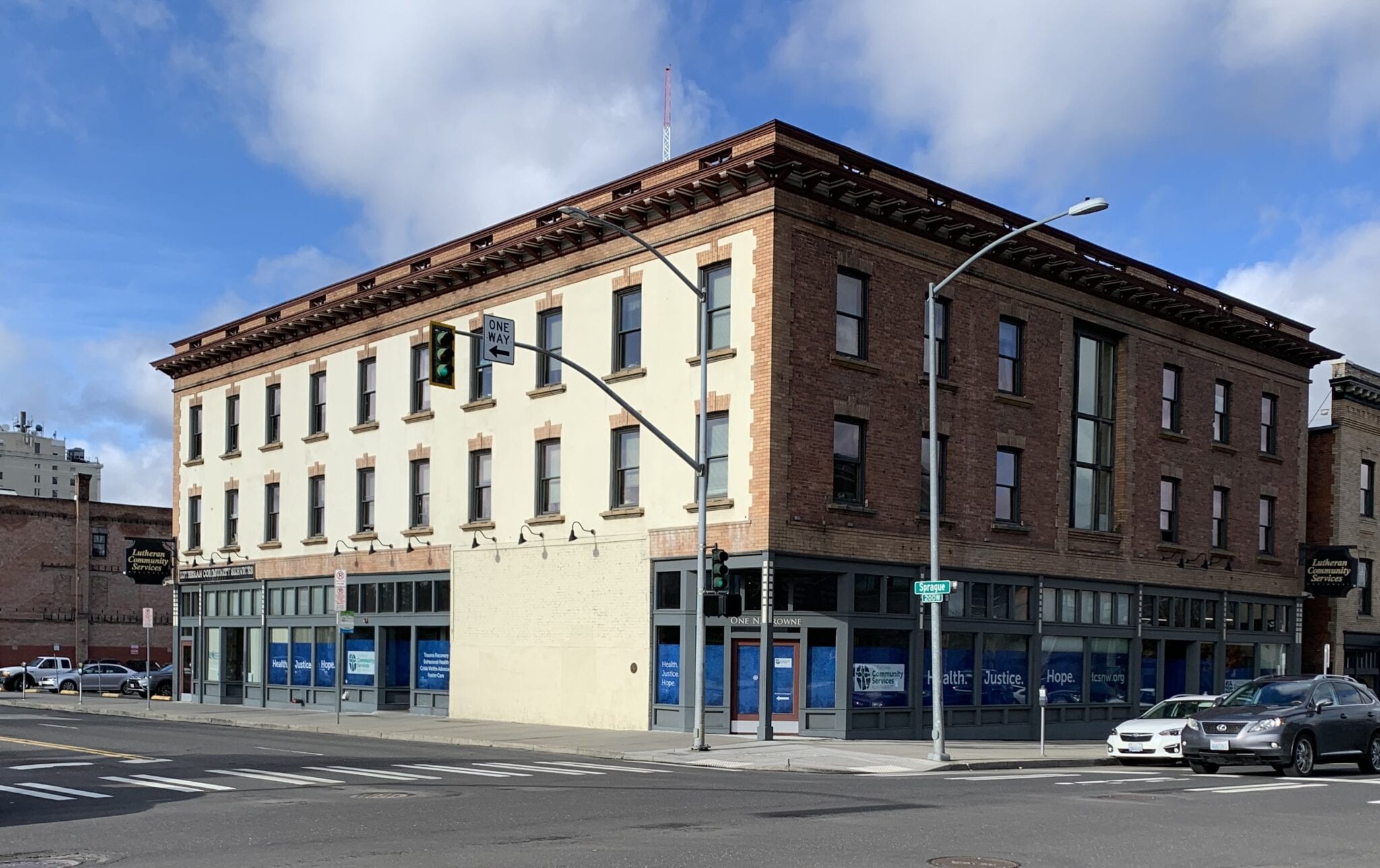
Inland Northwest Office

210 W. Sprague Ave.
Spokane, WA 99201
(509) 747-8224

Sexually Reactive Youth Program
Hope and healing for children with sexualized behaviors and their families
Lutheran Community Services Northwest has been a recognized leader in the state of Washington since 1991 in the provision of quality preventative care to children who are sexually reactive.

The SRY program is a children’s mental health program that provides service to child victims of sexual abuse /assault and their families. The program provides service to children ages 13 and under who exhibit sexually acting out behaviors that put themselves and others at risk. Acting out behavior is often related to a child’s own victimization and positive intervention and support can provide necessary change and redirection toward positive coping skills.

Please note: The program does not provide service to adjudicated youth or youth charged with a sexual offense. The program is an intervention program with intensive efforts aimed at promoting behavioral change.

 
Services for Children and Their Families
Individual Counseling: Individual counseling aimed at reduction of sexually acting out behavior.
30-Day Assessment: In office assessment of SRY behavioral risks and support needs.
90-Day Assessment: Comprehensive assessment initiated through referrals from the Department of Children and Family Services.
Group Counseling: Aimed at behavioral support, behavioral reduction, and relapse prevention planning.
Attachment Focused Family Support: Aimed at supporting primary relationships while completing treatment program.
After-Hours Crisis Support: Available after-hours and week-ends
Family Education and Support Services:
  • 12 Week SRY - Curriculum based support program
  • Case management and referral services
  • Individualized Tailored Care Teams
  • Parent and child Group support
  • In-home support specialist
  • Community Education

What is SRY behavior?

When a child touches other children in a sexual way that is not age-appropriate.
Shows excessive interest/curiosity in sex that overrides other activities.
When a child continues to have sexual behaviors even after being re-directed by an adult.
Talks excessively about sexuality, or has inappropriate knowledge of sexuality for their age.
Harms or touches animals in a sexual way.
Exchanges gifts or shows affection to others in order to have sexual contact, either to other children or adults.
Touches a child 3 years younger or someone from a vulnerable population by displaying more power & control.
Excessive masturbation.
 

Myths & Facts:

Myth: Young kids are just curious.
Fact: When children force or coerce others or are unable to stop sexual behaviors, this is a sign of a sexual behavior problem.

Myth: Children will grow out of it.
Fact: Relying on this hope jeopardizes the safety of your child and others.

Myth: My child would never force another to do anything sexual.
Fact: Force can include words, coercion, pressure, bribes, or tricks.

Myth: My child was not abused.
Fact: Children can be exposed to sex without being sexually abused physically. Exposure to pornography or witnessing adult sexuality can affect a child’s behavior.

Myth: My child does exactly what I say and this will never happen again.
Fact: Parental control is important but is not the simple answer. Kids need to learn new beliefs and skills so they can cope when a parent is not available to guide them.


Reasons Kids Have SRY Behaviors:
Sexually Reactive Behaviors may occur when a child has been exposed to sexually explicit material, environments or has been victimized, and is attempting to cope with his or her own overwhelming feelings. This behavior can put the child and others at risk. Please read below to see examples of circumstances that may initiate or support reactive behavior.

The following are only a few examples:

  • Confusion based on what they see on TV, videos, video games, internet, or magazines.
  • Have been sexually abused by direct physical contact or subject to witnessing sexual abuse.
  • Live in sexually explicit environments in which sex has been witnessed and related in a negative manner.
  • Witness to Domestic Violence.
  • Exposure to pornography or being used by an older person for pornography.
Other Behaviors Your Child May Display:
  • Aggressive behaviors
  • Problems following rules
  • Poor physical boundaries in general
  • Problems understanding the feeling of others or empathizing with them
  • Problems at school, home, or with friends.

Sexually Aggressive Behaviors may occur when a child begins to pair sexual behaviors with threats, coercion, or physical harm, he or she could be considered sexually aggressive.

Reasons to Get Help
If your child is a victim of child sexual abuse and is acting out sexually, he or she can learn new coping skills.

Some sexual exploration between same-age children is normal. If you are worried that your child has sexually reactive or sexually aggressive behaviors you can get help to determine whether the behaviors are within normal limits.
Children who have sexual behavior problems are not adult sex offenders. Early evaluation and treatment will help eliminate inappropriate sexual behaviors.
Sexually reactive children are often victims who need to learn new coping skills and behaviors.
Parents need support and help understanding what is happening with their child and/or in their family.
SRY behaviors rarely happen only once.
Children who do not get help are at risk to be re-victimized and/or to re-offend.
Counseling increases the chances of having healthier happier adult relationships.
HOW TO CONTACT US
If you would like additional information on the Sexually Reactive Youth Program,
or any of our Child Welfare Programs, please contact us at 509-343-5035.

Copyright 2001-8, Lutheran Community Services Northwest
All rights reserved
Etherjazz Web Design